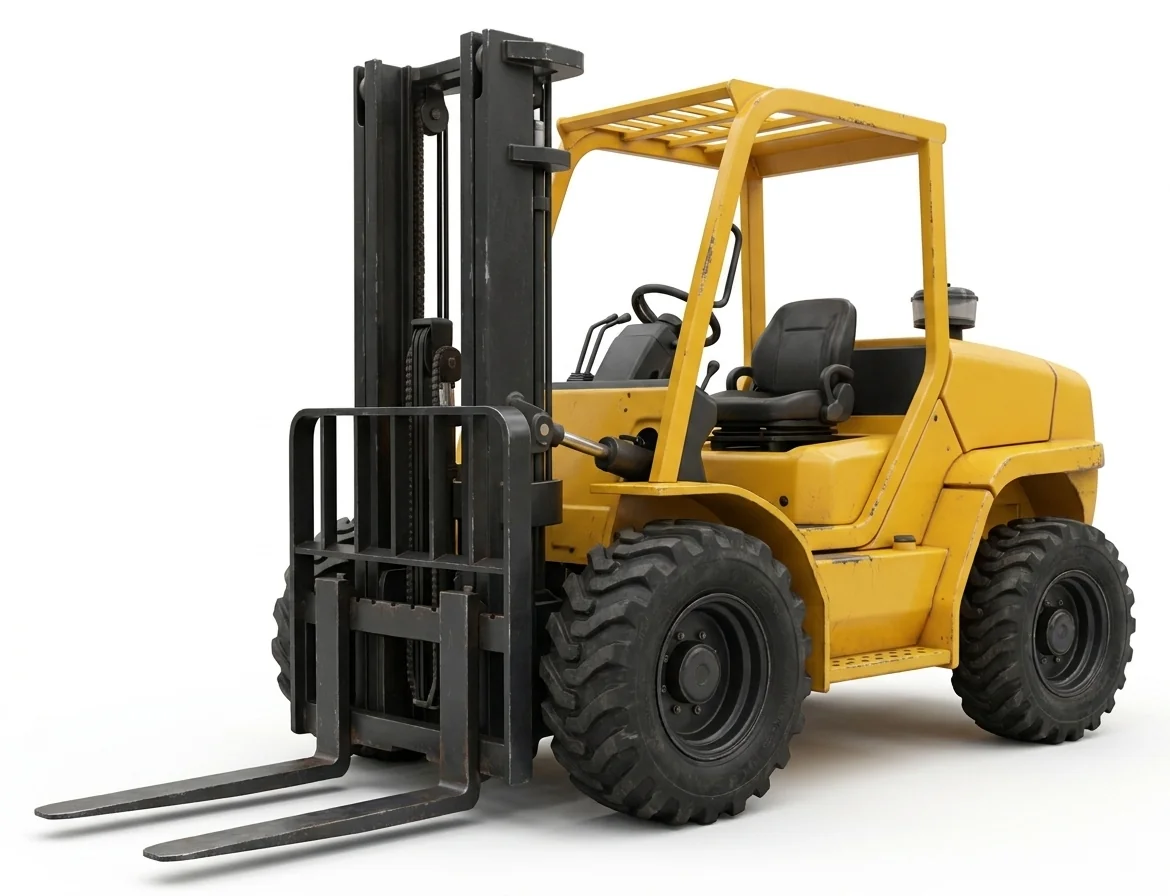
Match the forklift to the travel path
- Interior aisles and finished floors point to electric or indoor-friendly units with tight turning radii.
- Dock and cross-dock work with frequent trailer transitions may call for pneumatic tires and higher ground clearance.
- Mixed interior–exterior routes sometimes split the task: indoor forklifts handle racking while a telehandler at /telehandler-rental/ stages outside.
Aisle width, mast height, and doorways
Large regional facilities vary widely in racking layouts. Measure the narrowest aisle and any overhead obstructions:
- Confirm lowest doorway headers, overhead conveyors, or sprinklers that affect mast choice.
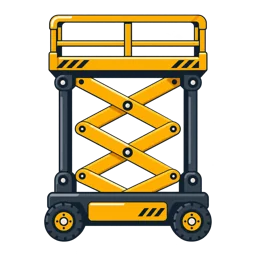
- For mezzanine access or very tight aisles, /vertical-mast-lift-rental/ may handle maintenance tasks while forklifts stay on material moves.
Dust and ventilation
Dust is common in open-bay buildings and yard work. Indoors, sensitive environments often prefer electric forklifts to avoid exhaust and to minimize disturbance. Outdoor yards tolerate internal combustion units but still benefit from planned staging away from wind rows.
Yard conditions and load handling
Alkaline soils and patched concrete can create uneven transitions. Map the heaviest loads and the worst surface point along the route. If frequent off-pad handling is required, consider whether a telehandler’s ground clearance at /telehandler-rental/ is a better fit.
Support for shifts and staging
Night work or early unloads may need /generators-light-towers-rental/ for visibility. For temporary stock areas exposed to wind, /temporary-fencing-barricades-rental/ helps define lanes and protect inventory.